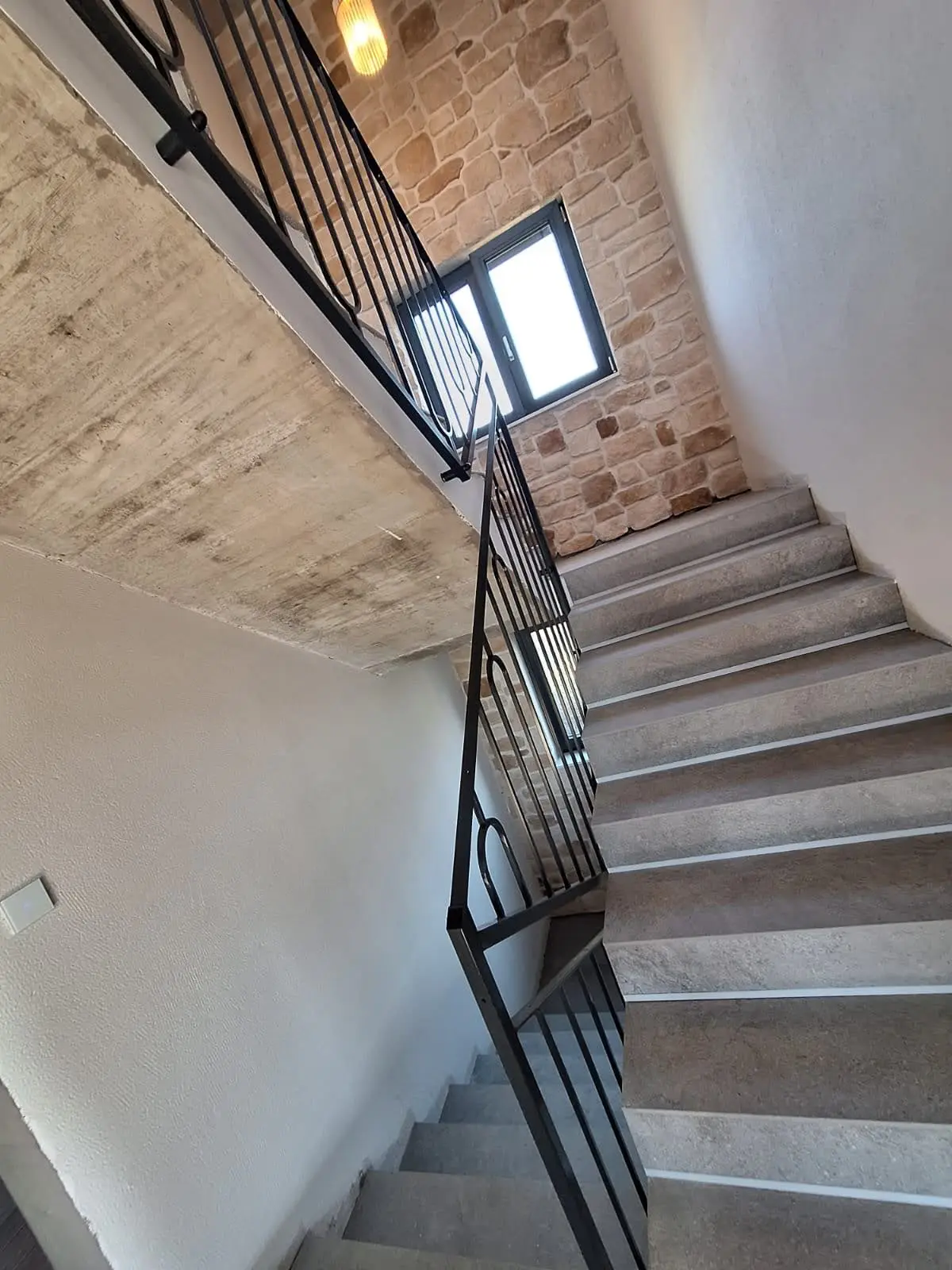
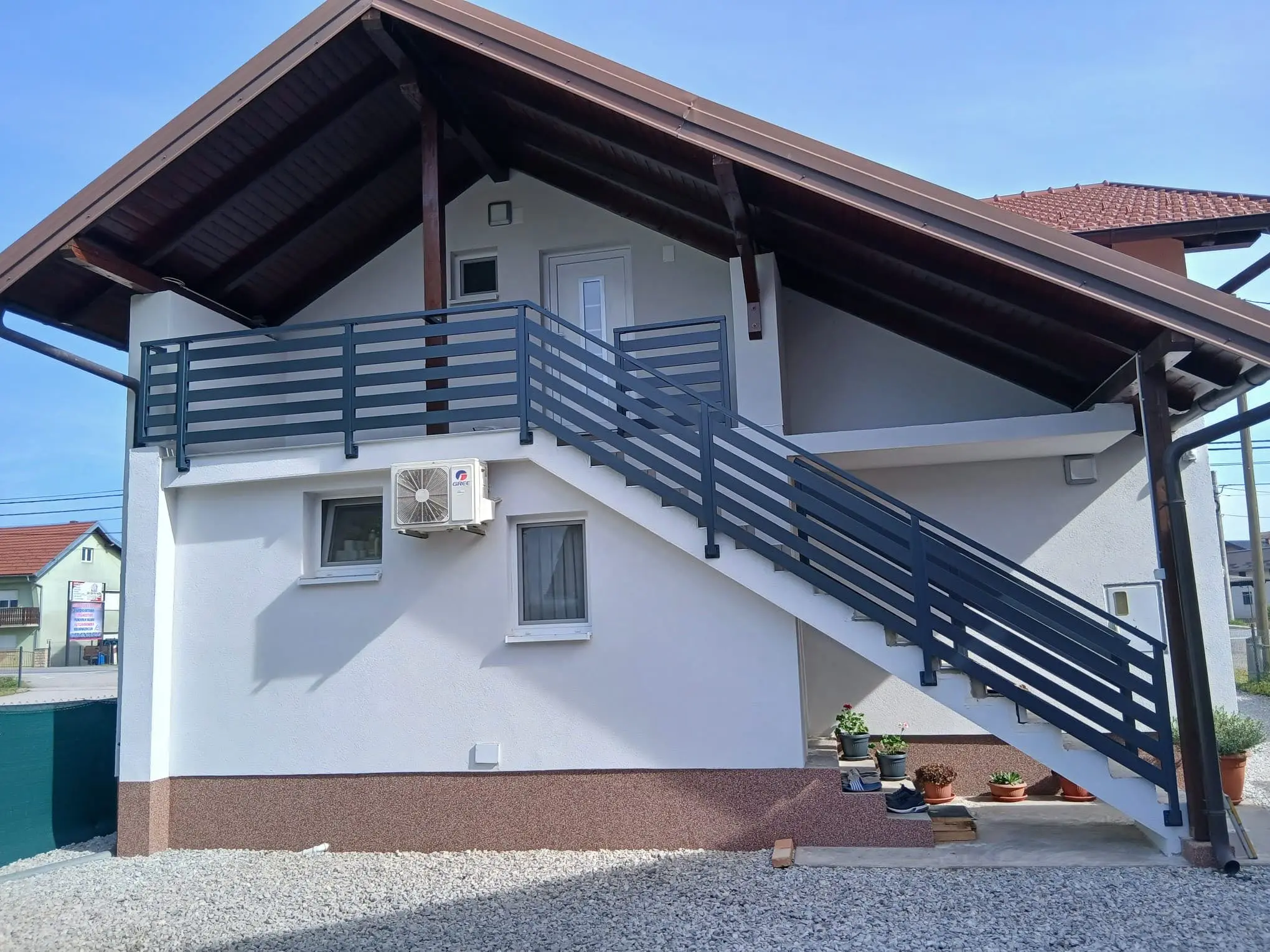
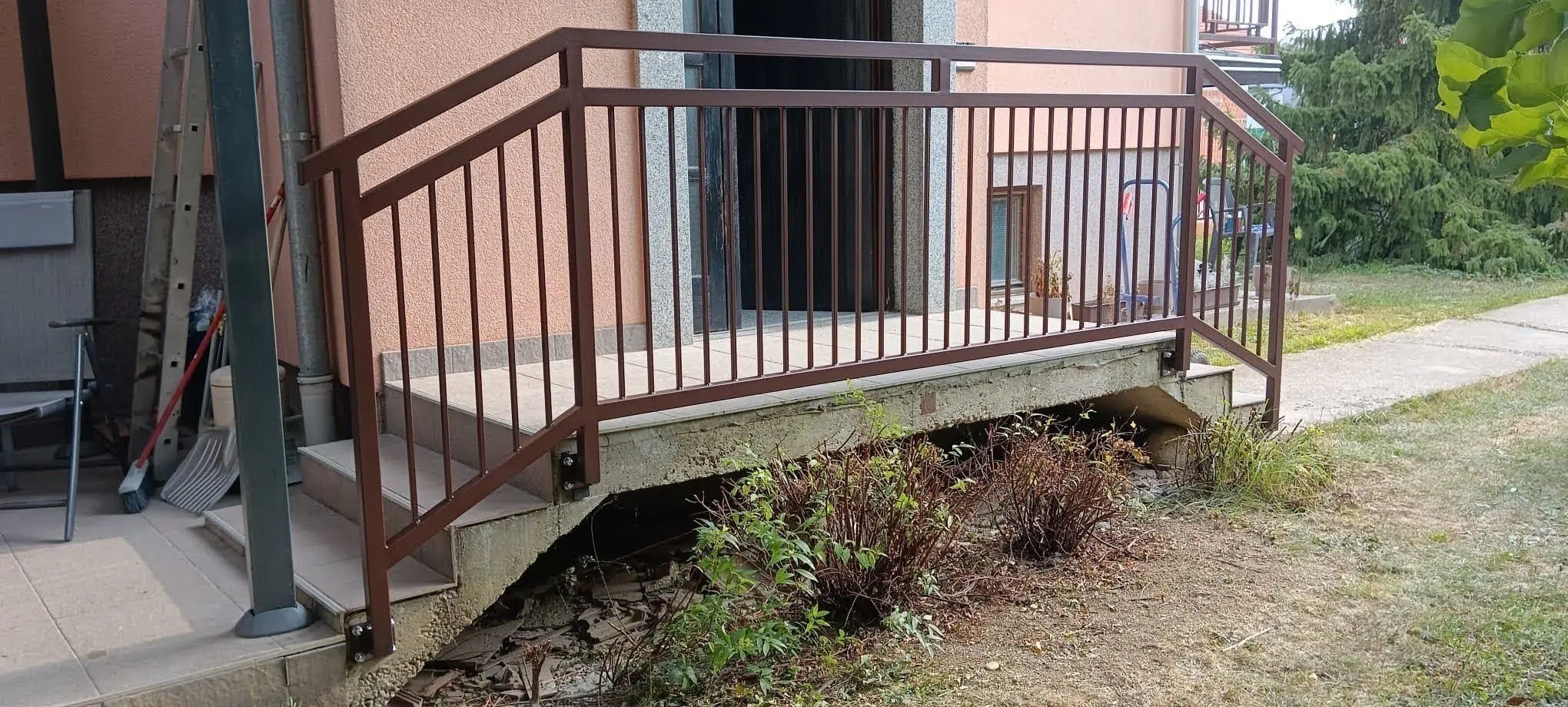
Introduction to Aluminium And Steel Fences And Doors
Aluminium and steel fences and doors have become the cornerstone of modern property security and design. Whether you are a homeowner seeking to enhance kerb appeal or a business owner looking to safeguard your premises, these two metals offer unmatched durability, versatility and aesthetic flexibility. Aluminium, prized for its lightweight nature and natural resistance to corrosion, pairs beautifully with steel, celebrated for its immense strength and robustness. Together, they provide solutions ranging from sleek garden fencing to heavy-duty industrial gates and security doors. This article explores everything you need to know about aluminium and steel fences and doors, from material properties and design options to installation, maintenance and cost considerations.
Why Choose Aluminium Fences And Doors?
Aluminium fences and doors are a favourite choice for residential and coastal properties alike. One of the greatest advantages of aluminium is its resistance to rust — it does not corrode the way iron or untreated steel can, making it ideal for the often damp British climate. Aluminium is also remarkably lightweight, which reduces strain on hinges and frames, ensuring doors and gates operate smoothly for years.
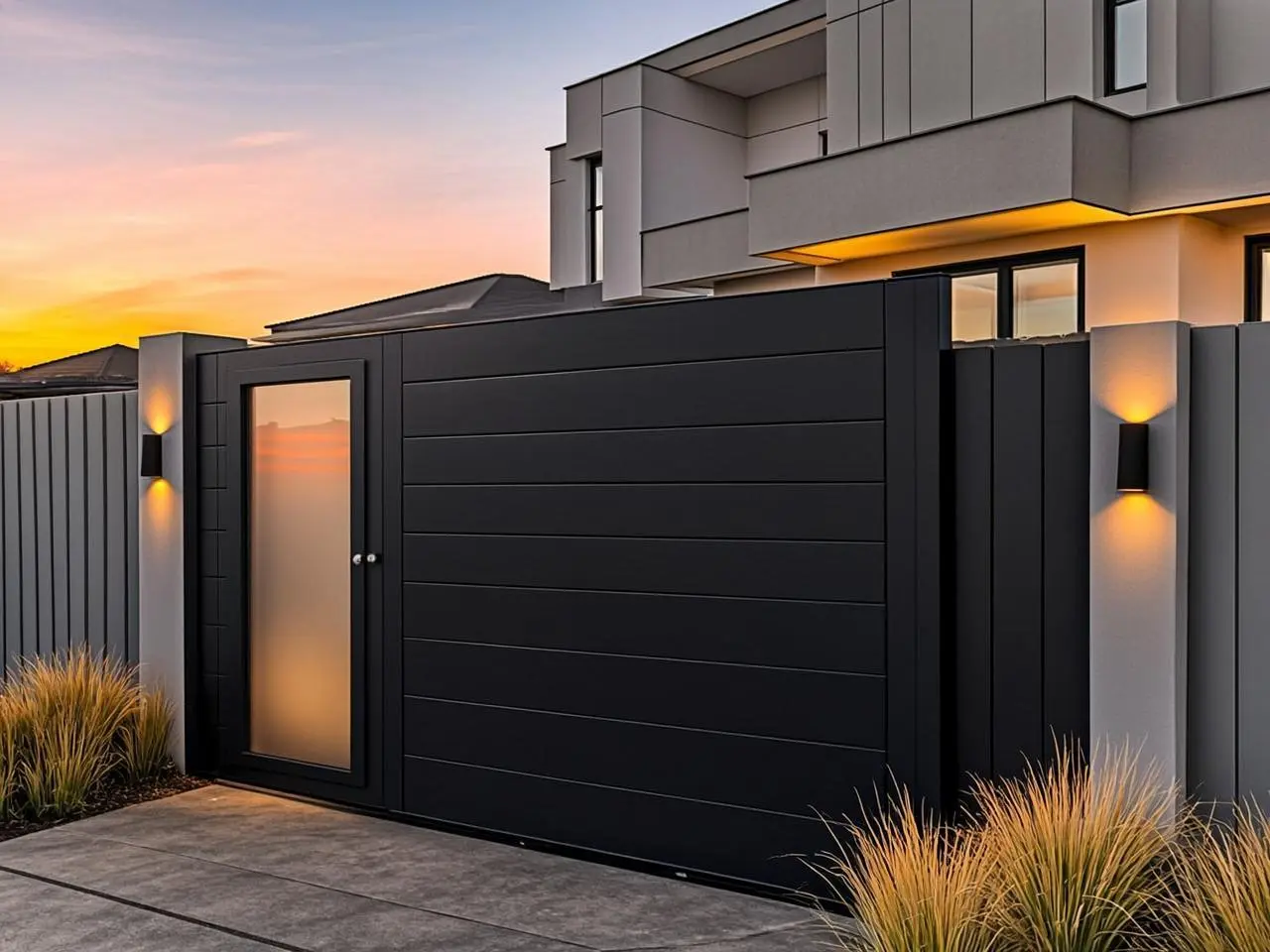
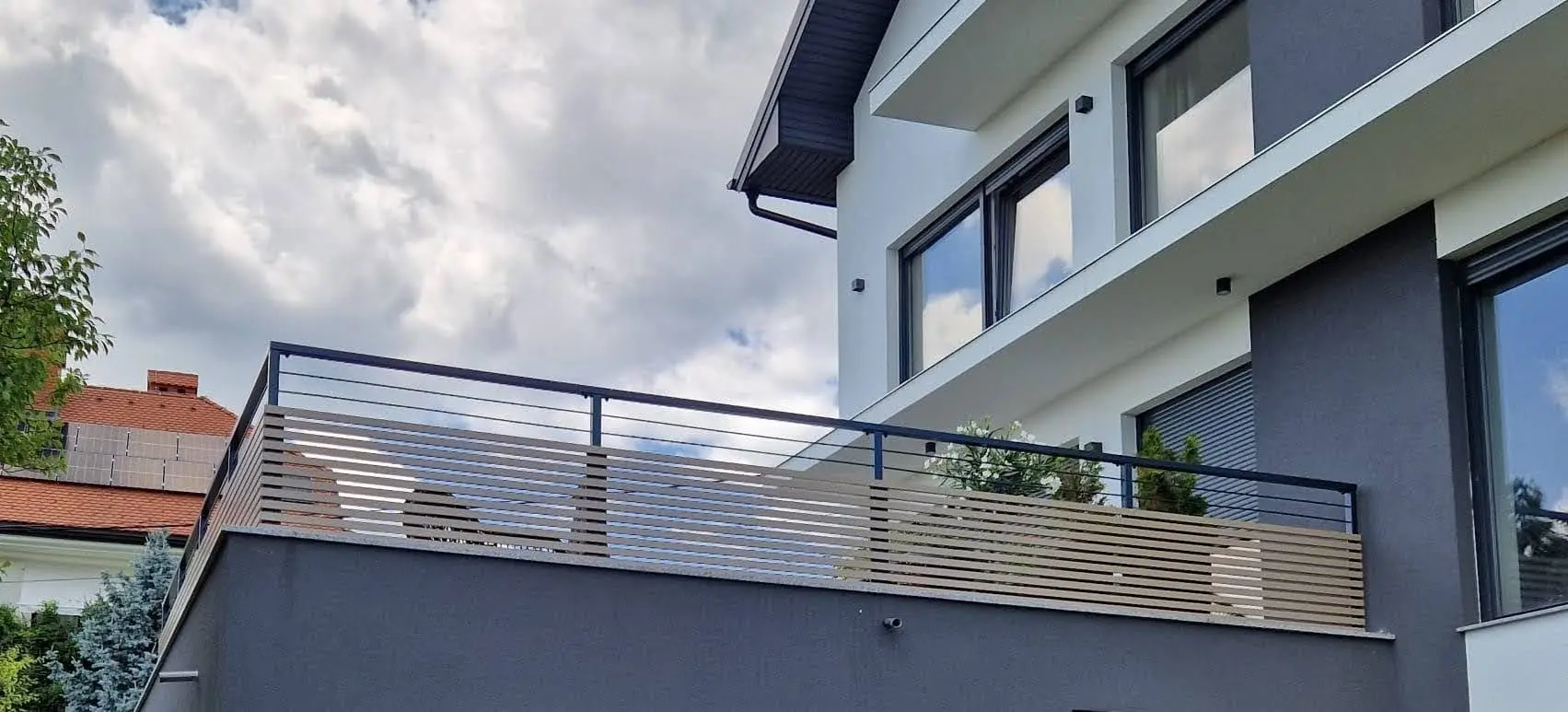
Aesthetically, aluminium can be powder-coated in virtually any colour, from classic black and anthracite grey to bold contemporary hues. Aluminium slat fencing, for example, provides a modern, streamlined appearance while offering privacy and allowing airflow. Aluminium doors, particularly bi-fold and sliding varieties, bring a clean, minimalist look to entrances and patios, with slim frames that maximise glass and natural light.
The metal is also environmentally friendly: it is 100% recyclable without any loss of quality, and much of the aluminium used today comes from recycled sources. For those seeking a low-maintenance, long-lasting solution, aluminium fences and doors represent excellent value over their lifespan.
The Strength And Security of Steel Fences And Doors
When maximum security is the priority, steel fences and doors are the definitive choice. Steel possesses inherent tensile strength that aluminium cannot match, making it the preferred material for security fencing, palisade fences, welded mesh panels and reinforced entrance doors. Commercial premises, schools, industrial sites and utility compounds frequently rely on steel fencing to deter intruders and withstand impact.
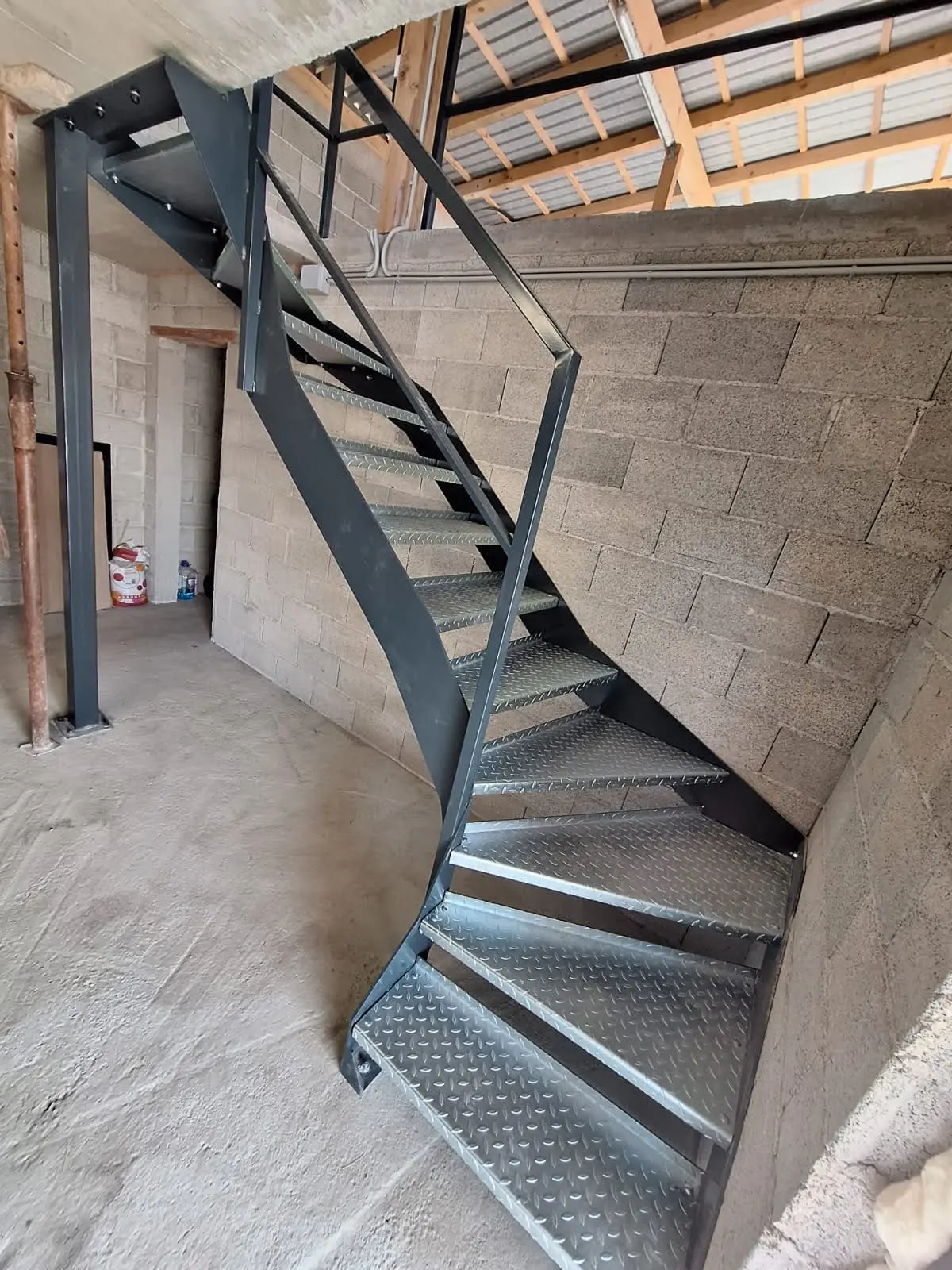
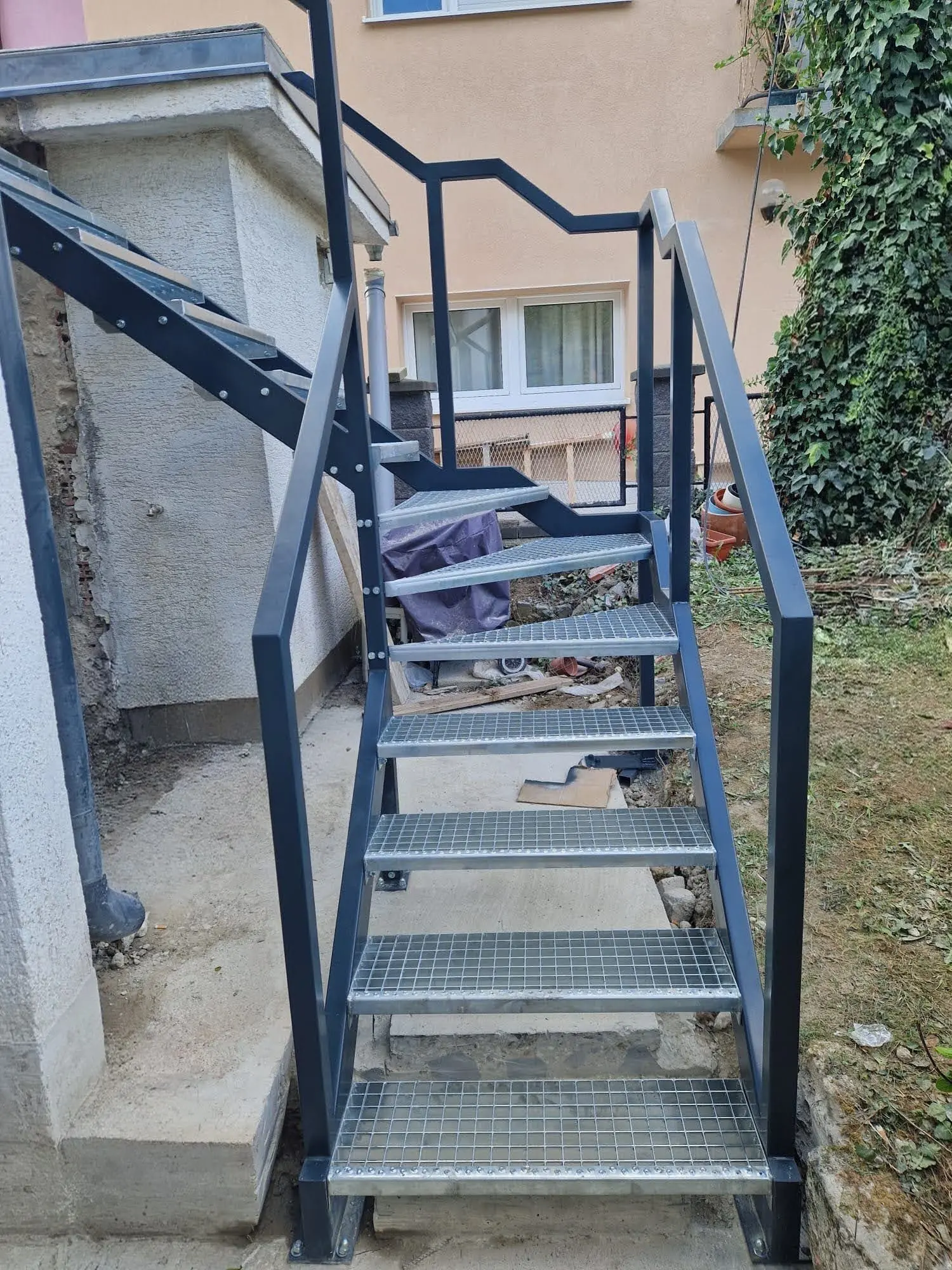
Steel doors, whether solid security doors, steel-framed fire doors or roller shutters, provide formidable protection against forced entry. Galvanised steel — coated with a protective layer of zinc — resists rust, and modern powder-coating or polyester powder finishes add further protection and visual appeal. Wrought-iron-style steel fencing remains a timeless option for period properties, combining ornamental elegance with genuine strength.
Steel does require slightly more upkeep than aluminium, as scratches in the coating can lead to corrosion if left untreated. However, with proper galvanisation and routine inspection, steel fences and doors can last several decades, offering arguably the best strength-to-cost ratio of any fencing and door material on the market.
Design Options And Styles
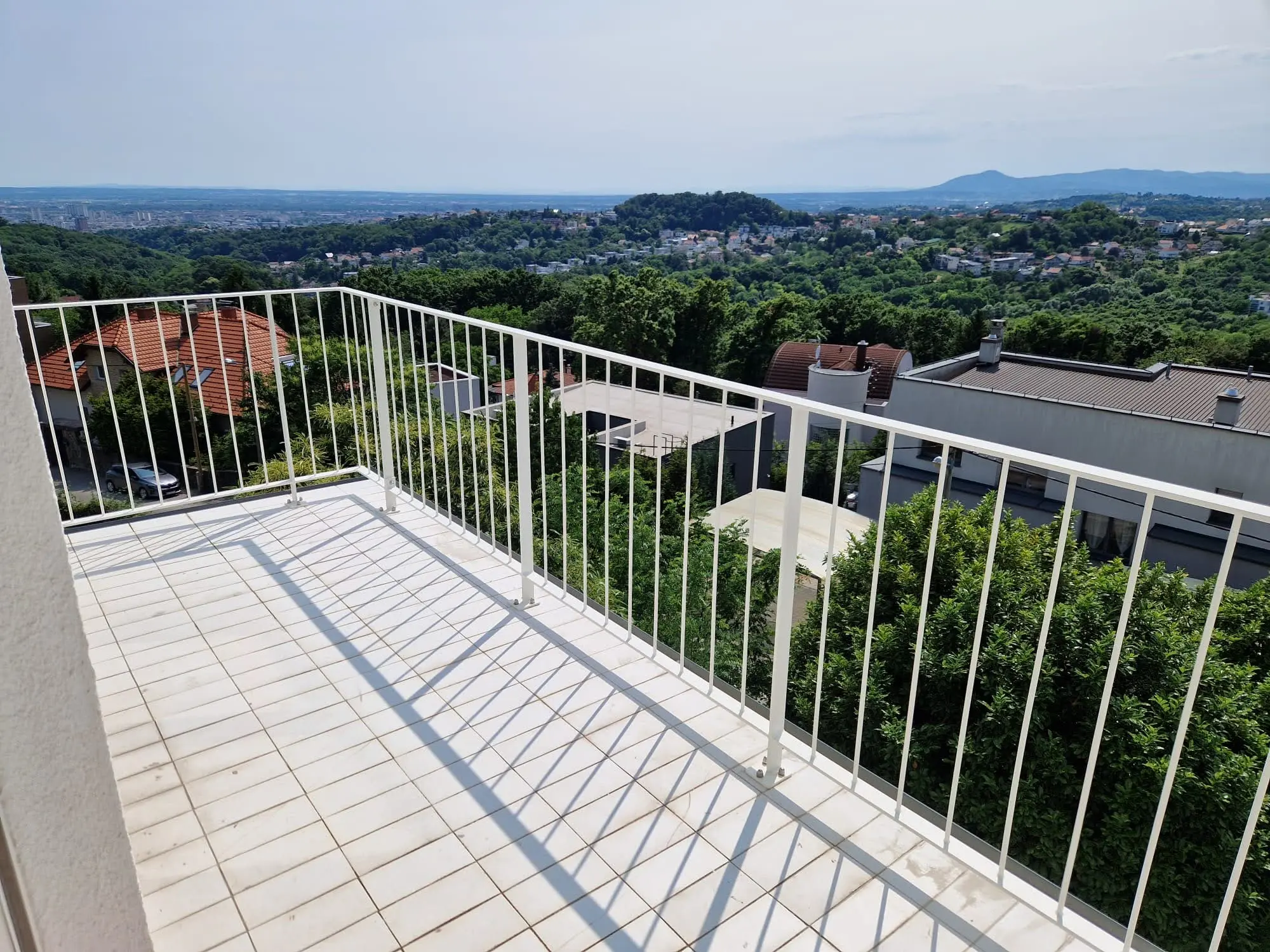
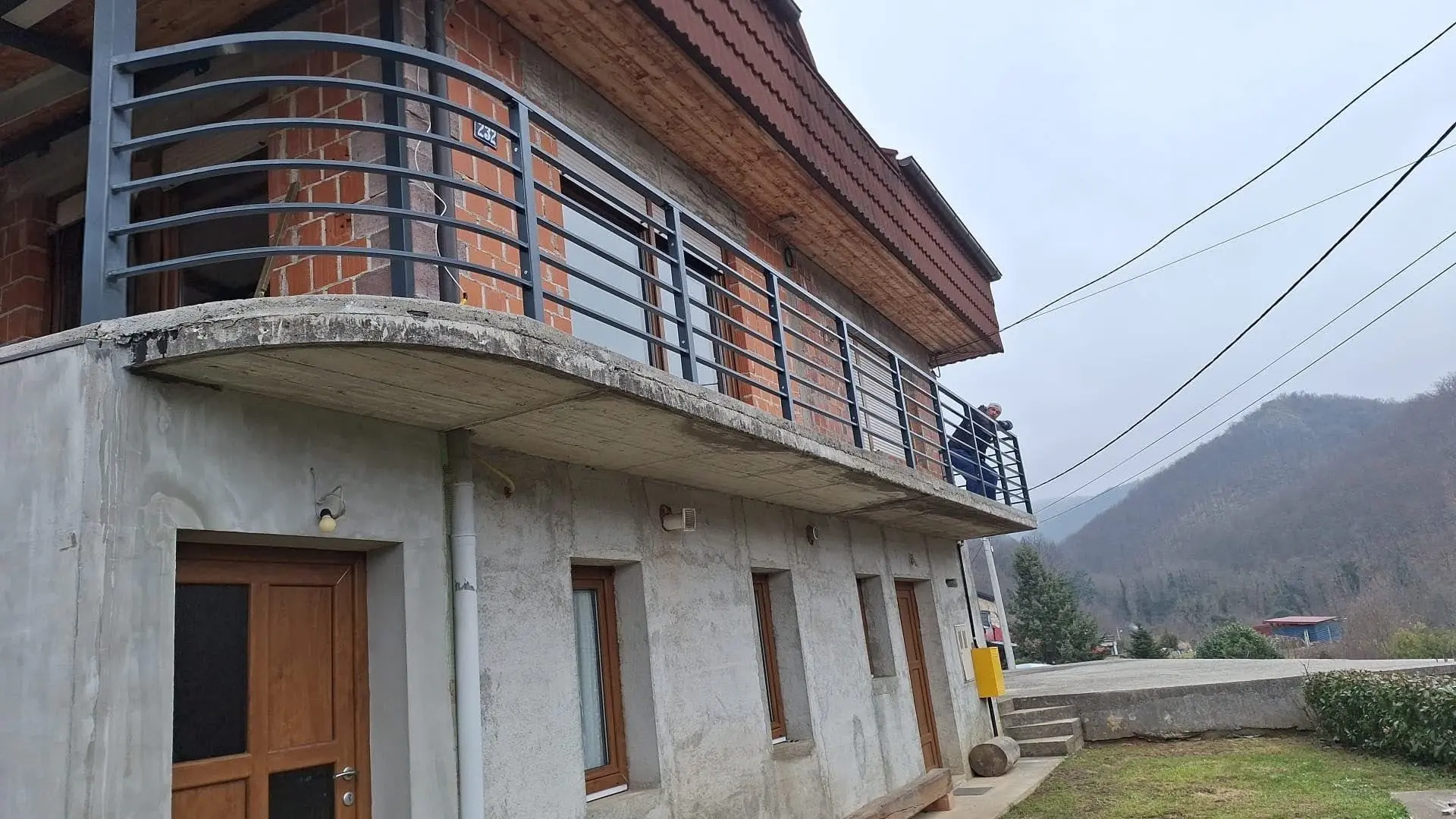
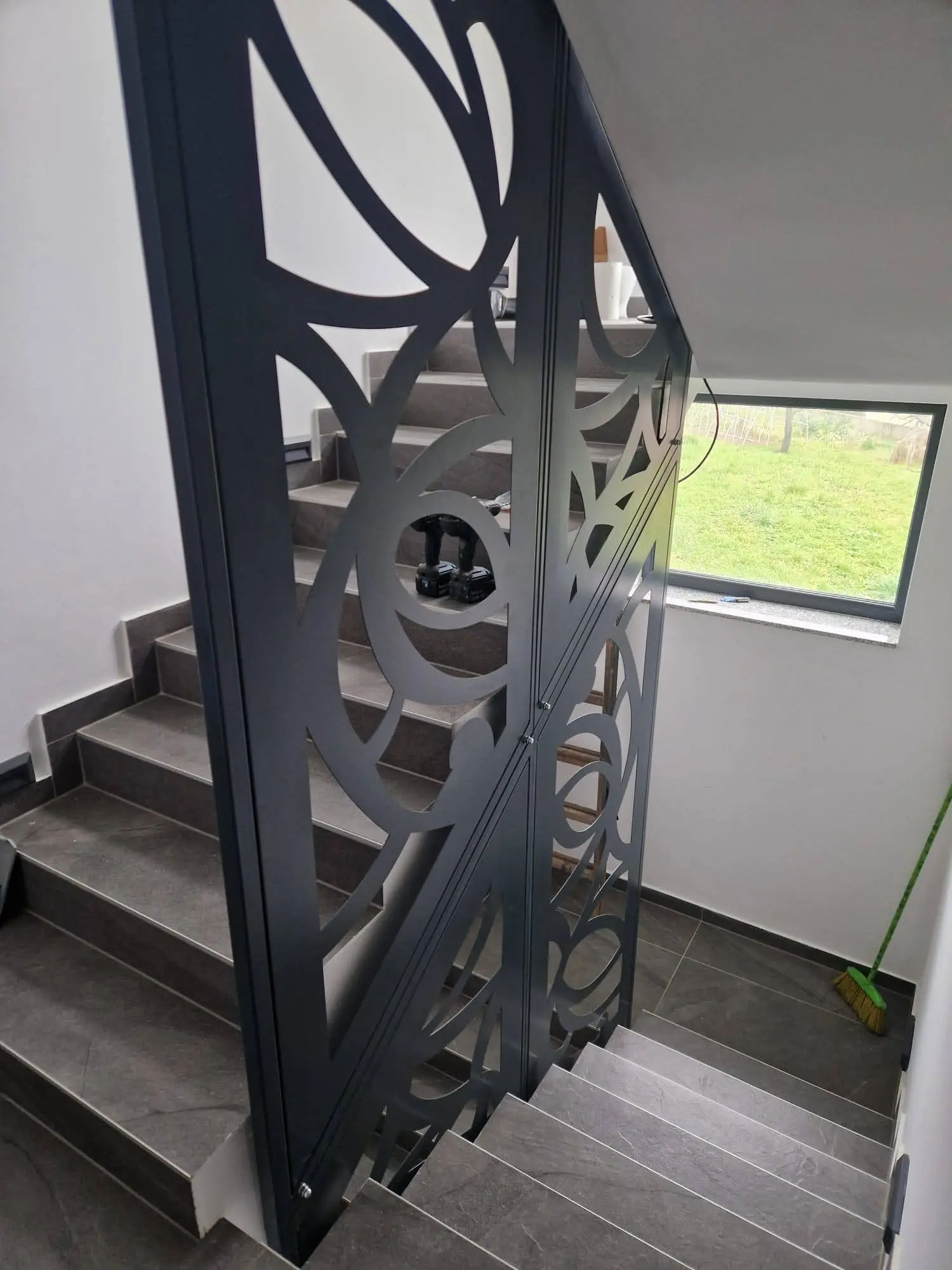
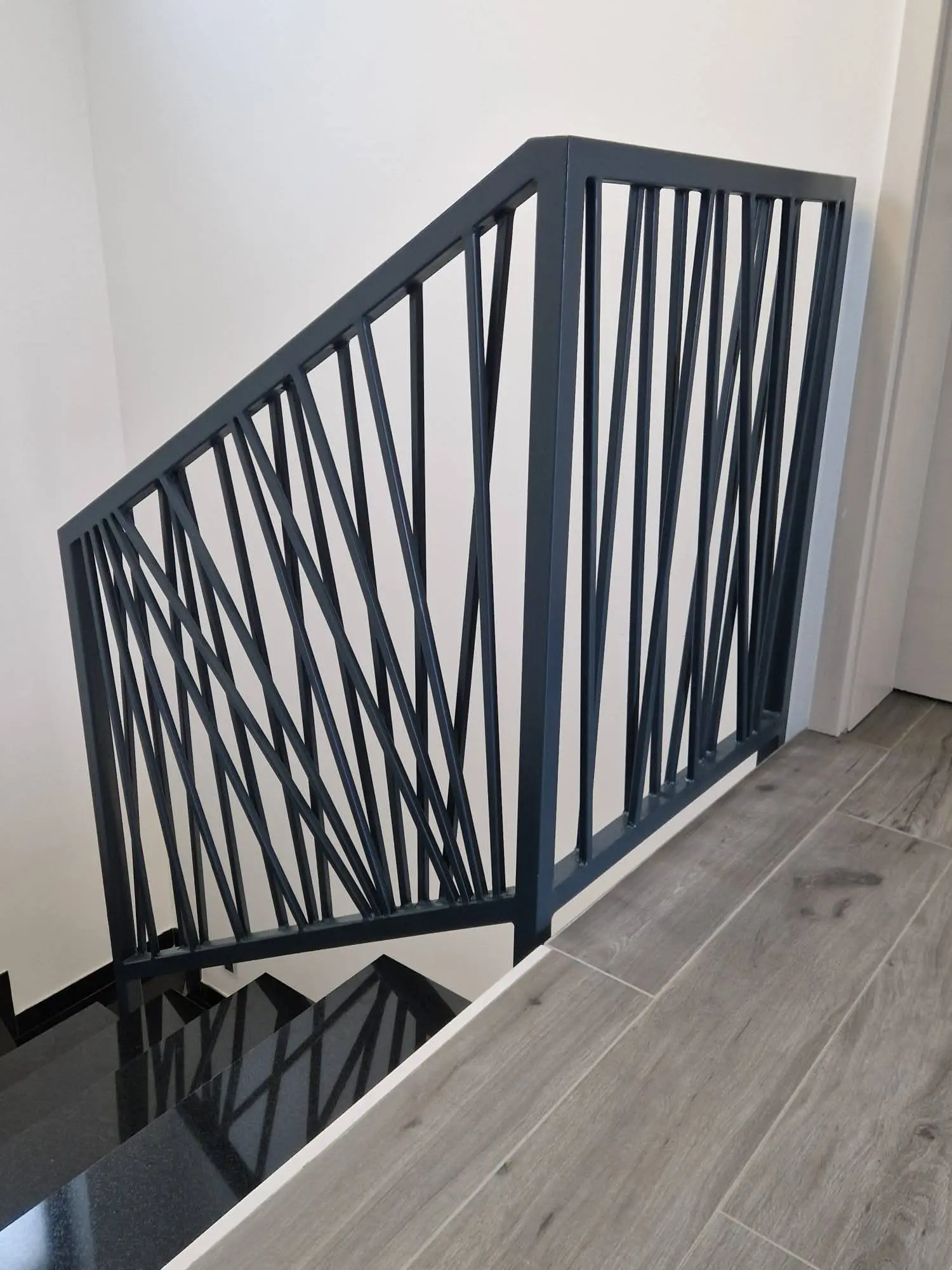
The design possibilities with aluminium and steel fences and doors are extensive. For fencing, popular styles include vertical bar fencing (ideal for front gardens where visibility matters), louvre and slat fences (for privacy with contemporary flair), palisade and mesh fencing (for security applications) and decorative panels featuring laser-cut patterns that double as garden art.
Doors and gates in these metals range from elegant pedestrian gates and automated driveway gates to robust commercial steel doors. Aluminium bi-fold doors have transformed home extensions, folding away neatly to open a living space to the garden. Steel security doors can be fitted with multi-point locking systems, reinforced frames and anti-drill cylinders for superior protection.
Finishes play an enormous role in the final look. Matt black remains a classic for traditional properties, whilst RAL colours such as anthracite grey (RAL 7016), traffic white and bronze anodised effects dominate modern architecture. Timber-look powder coatings allow metal fences and doors to imitate wood grain without any of the maintenance burdens of timber.
Installation Considerations
Proper installation is critical to the performance and longevity of aluminium and steel fences and doors. Posts must be securely anchored — typically set in concrete footings — to withstand wind loading and daily use. Ground conditions matter: heavy clay soils retain water and may require deeper footings, whilst sandy soils can affect post stability.
For doors and gates, accurate measurement and alignment are essential. Heavier steel gates often require heavy-duty hinges and, if automated, appropriately rated gate operators that comply with safety regulations. In the UK, automated gates must meet the requirements of the Machinery Directive and relevant safety standards, including force limitation and safety sensors to prevent trapping injuries.
It is strongly advisable to engage experienced, qualified installers. A professionally installed aluminium or steel fence or door not only performs better but often carries longer warranties, protecting your investment for many years.
Maintenance And Longevity
One of the strongest selling points of aluminium and steel fences and doors is their low maintenance compared with timber alternatives. Aluminium requires very little beyond an occasional wash with warm soapy water to remove dirt and salt deposits — particularly important in coastal areas. Inspect hinges, latches and tracks periodically and lubricate moving parts as recommended by the manufacturer.
Steel products demand slightly more attention. Check the coating regularly for chips or scratches, especially near the ground where moisture lingers, and touch up any damage promptly with matching paint or zinc-rich primer to prevent rust taking hold. Powder-coated finishes are highly resilient, but harsh cleaning chemicals should be avoided, as they can degrade the coating over time.
With modest care, quality aluminium fencing can last 25 years or more, whilst well-maintained galvanised steel fences and doors frequently exceed 30 years of service. This longevity offsets the higher initial cost compared with timber or plastic alternatives, delivering excellent lifetime value.
Cost Comparison And Value For Money
Generally speaking, aluminium is more expensive per kilogram than steel, but its lighter weight can reduce fabrication and installation costs, and its corrosion resistance eliminates the need for future repainting. Steel, by contrast, is cheaper upfront and stronger, making it the economical choice for large perimeter fencing and high-security doors where strength is paramount.
As a rough guide, domestic aluminium fencing tends to command a premium over basic steel panel fencing, but decorative steelwork for bespoke gates can also reach high price points depending on complexity. When budgeting, consider not only the initial outlay but the lifetime costs: maintenance, repainting, replacements and the added value that quality metal fences and doors bring to a property. Energy-efficient aluminium doors with thermal breaks can even reduce heating bills, further improving their long-term return on investment.
Choosing The Right Option For Your Property
Selecting between aluminium and steel fences and doors ultimately depends on your priorities. If you value low maintenance, modern aesthetics, coastal durability and smooth operation, aluminium is the superior choice. If your primary concerns are security, strength and cost-efficiency for larger installations, steel is hard to beat. Many properties benefit from a combination — aluminium doors and decorative gates at the front, with robust steel security fencing to the rear or perimeter.
Always obtain quotes from reputable suppliers, check warranty terms, and ask to see examples of previous installations. Certifications such as galvanisation standards (e.g. BS EN ISO 1461) and powder-coating quality (e.g. Qualicoat for aluminium) provide assurance of lasting quality. With the right choice, your aluminium and steel fences and doors will secure, enhance and add lasting value to your property for decades to come.